How to Choose the Right External Wall Cladding for Your Property
20.09.2026
External wall cladding is one of the most impactful improvements you can make to your home. It protects your walls from the elements, improves how your property looks, and can significantly cut your energy bills when combined with insulation. But with so many materials, systems, and styles available, knowing where to start can feel overwhelming. This guide walks you through everything you need to consider before choosing external wall cladding, from the different material types to planning rules, installation expectations, and long-term costs.
What is external wall cladding and why does it matter?
External wall cladding is a protective outer layer fixed to the exterior walls of a property. It acts as a shield against rain, wind, frost, and UV exposure, reducing the risk of weather-related damage to the underlying structure. Beyond protection, cladding plays a key role in thermal performance, helping to keep heat inside the home and reduce energy consumption.
Choosing the right cladding system matters more than most homeowners realise. A well-chosen installation can last decades, maintain or increase property value, and reduce maintenance costs over time. A poorly chosen one can trap moisture, require frequent repairs, or fail to perform in your local climate. This is why material selection, installation quality, and long-term planning all need to be considered together from the very beginning.
Understanding different types of external wall cladding
Modern cladding materials vary widely in durability, maintenance needs, cost, and appearance. The right choice depends on your property type, budget, location, and how much upkeep you are willing to carry out. Below is a practical breakdown of the most common external wall cladding options available to UK homeowners.
Timber cladding options
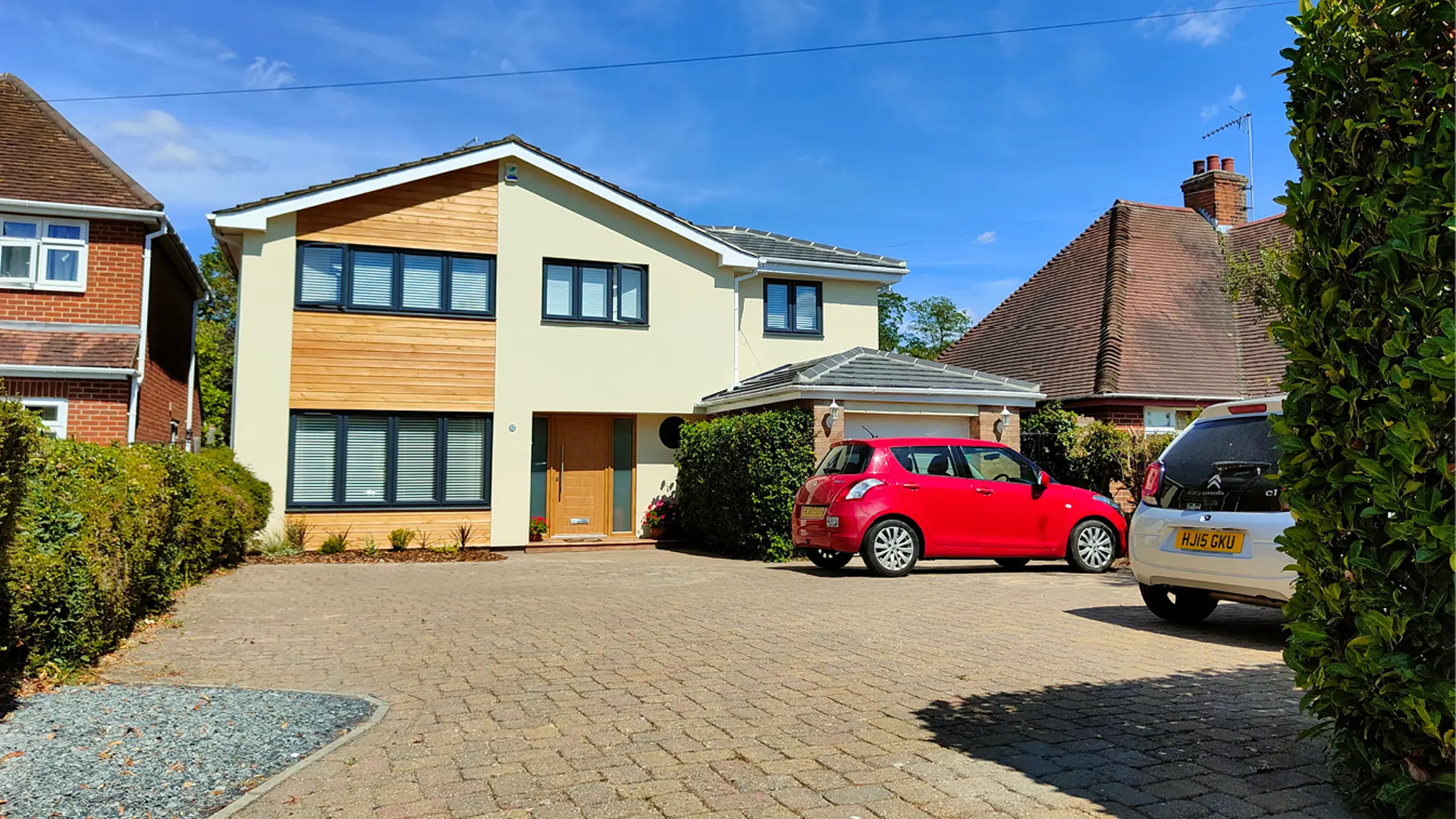
Timber cladding gives a natural, traditional look that suits both period properties and contemporary new builds. It works well in rural settings and can be stained or painted to suit individual preferences. The appeal is undeniable, but timber does require ongoing maintenance. Without regular treatment, it is vulnerable to moisture, rot, and insect damage.
Treated timber varieties perform considerably better over time. Pressure-treated or thermally modified wood resists decay far more effectively than untreated softwoods. Even so, most timber cladding will need cleaning, resealing, or repainting every few years to stay in good condition. If you are prepared for that commitment, timber remains a beautiful and natural choice.
uPVC cladding systems
uPVC cladding is one of the most popular choices for UK homeowners looking for a low-maintenance solution. It does not rot, warp, or attract insects, and it stands up well to the damp conditions that are common across much of England. Cleaning is straightforward, usually just requiring a wipe down with soapy water.
One of the key advantages of uPVC is its versatility. It is available in a wide range of colours, woodgrain finishes, and profiles, making it suitable for many different architectural styles. It is also generally more affordable than timber or composite options upfront, and its low maintenance requirements mean costs stay manageable over the long term.
Composite cladding materials
Composite cladding combines materials, typically wood fibres and recycled plastics, to create a product that looks like natural timber but performs much better in tough conditions. It is highly resistant to moisture, fading, and impact, and it requires very little maintenance compared to real wood. Many composite boards are made partly from recycled content, which makes them a more environmentally considered choice.
The aesthetic quality of composite cladding has improved significantly in recent years. High-quality boards can closely replicate the grain and texture of natural wood whilst offering a lifespan of 25 years or more with minimal upkeep. The initial cost is higher than uPVC or basic timber, but the reduced maintenance and strong durability make it good value over time.
Render-based cladding solutions
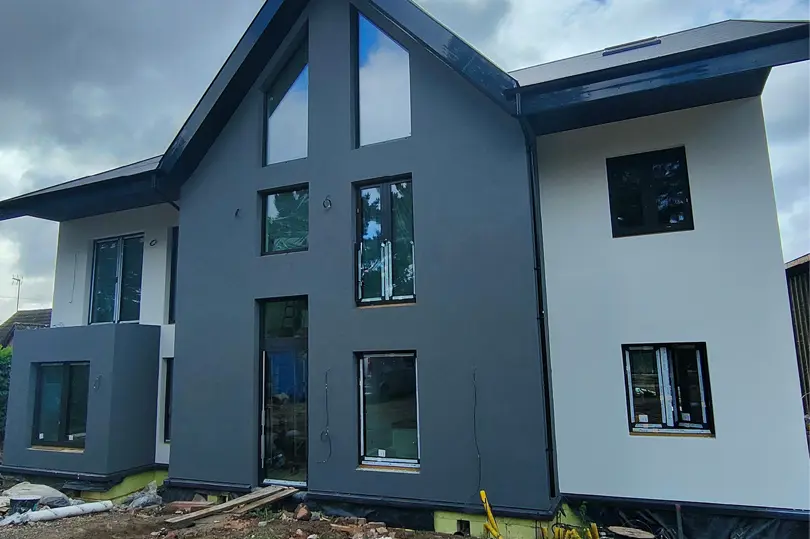
Render cladding covers exterior walls in a seamless layer of material, giving a clean, modern finish. Traditional cement render has been used for decades, but modern silicone render systems have largely replaced it for new installations. Silicone render is flexible, which means it resists cracking as buildings naturally move and settle. It is also breathable, allowing moisture vapour to escape from the wall rather than becoming trapped inside.
A particularly useful feature of silicone render is its self-cleaning capability. The hydrophobic surface causes rain to run off cleanly, carrying dirt with it. This keeps properties looking fresh with minimal effort. When combined with external wall insulation, render cladding systems deliver excellent thermal performance and can make a significant difference to heating costs year-round.
Key factors when selecting external wall cladding
Selecting the right cladding involves more than picking a material you like the look of. Several practical factors will affect how well a system performs on your specific property over time.
Climate and weather conditions in your area
Where you live has a direct impact on which cladding materials will perform best. Properties in coastal areas, such as those in parts of Essex and the wider South East, face exposure to salt-laden air, strong winds, and higher moisture levels. In these environments, materials like uPVC, silicone render, and treated composite cladding tend to outperform untreated timber.
In areas with high annual rainfall, drainage and water resistance become critical. The cladding system needs to direct water away from the wall efficiently and prevent any moisture from getting behind the boards. Poor drainage behind cladding is one of the most common causes of long-term structural problems, and it is entirely avoidable with the right specification.
Property age and construction type
Older properties, particularly those built before the 1920s, often have solid walls that need to breathe. Trapping moisture inside these walls by using an impermeable cladding system can lead to damp, decay, and damage to interior finishes. For these buildings, breathable cladding systems, such as silicone render or certain composite boards with ventilated cavities, are usually the appropriate choice.
Modern cavity wall construction is more tolerant of different cladding types, but there are still important considerations around thermal performance and compatibility with existing insulation. Whether your home is Victorian, Edwardian, interwar, or post-war will shape the options available to you and the installation approach required.
Maintenance requirements and long-term costs
Many homeowners focus on the upfront price of cladding without factoring in the cost of maintaining it over its lifetime. A cheaper material that needs repainting every three years, or replacing sections every decade, will often cost more in the long run than a more expensive option with a 25-year or 30-year performance warranty.
It is worth mapping out the realistic maintenance schedule for any material you are considering. Timber typically requires the most attention, followed by traditional cement render. uPVC, composite, and silicone render systems sit at the lower end of the maintenance scale. When you account for labour and material costs over 20 to 30 years, the total cost picture can look very different from the initial quote.
Energy efficiency and insulation performance
Cladding on its own improves weather protection, but when it is installed alongside external wall insulation, the energy benefits become substantial. External wall insulation involves fixing insulation boards to the outer face of the wall before the cladding is applied on top. This can reduce heat loss through external walls significantly, with well-specified systems achieving U-value improvements from around 2.1 W/m²K down to 0.30 W/m²K or better.
A U-value measures how quickly heat passes through a structure. The lower the number, the better the insulation. According to current building regulations guidance, new extensions and renovations in England should aim for a U-value of 0.30 W/m²K or lower for external walls. Combining the right cladding with quality insulation is one of the most effective ways to hit that target and reduce energy bills meaningfully.
Planning permission and building regulations
Not all cladding installations require planning permission, but some do. In England, changing the material used on the exterior of your home is generally considered permitted development, meaning no formal application is needed. However, this does not apply if your property is in a conservation area, is a listed building, or if the local authority has removed permitted development rights in your area.
All cladding work must also comply with building regulations, regardless of whether planning permission is required. This covers fire safety requirements, particularly for buildings over a certain height, as well as thermal performance and structural loading. Getting this wrong can create serious problems when you come to sell the property or make a claim on your buildings insurance. Always check with your local planning authority and ensure your installer works to current regulatory standards.
How external wall cladding improves property value and kerb appeal
A well-executed cladding installation can genuinely transform how a property looks and feels. Buyers and visitors form an impression of a home within seconds of seeing it, and tired, cracked, or stained exterior walls can undermine an otherwise attractive property. Modern cladding refreshes the appearance instantly and gives a sense that the home has been well cared for.
The financial case for cladding is also strong. Properties with updated exteriors, improved energy ratings, and low-maintenance finishes consistently attract stronger interest in the current market. Energy efficiency improvements, in particular, are increasingly valued by buyers who are aware of running costs and environmental impact. A home with an improved Energy Performance Certificate (EPC) rating as a result of insulated cladding is a more attractive proposition than one with a low rating.
Cladding also offers a cost-effective route to transformation when compared to more disruptive renovation work. Replacing windows, rebuilding garden walls, or extending a property costs considerably more and takes longer. A quality cladding installation can achieve a dramatic visual and thermal improvement at a fraction of that cost, with far less disruption to daily life.
What are the installation considerations for external wall cladding?
Professional installation is essential for cladding to perform as intended. The fixing framework must be secure, level, and correctly spaced to support the weight of the cladding and allow for any thermal movement. Weatherproofing around windows, doors, and other openings needs careful detailing to prevent water ingress. Where a ventilated cavity is required behind the cladding, this must be maintained consistently across the entire installation.
The typical installation process begins with a thorough survey of the existing wall condition. Any areas of loose render, cracked masonry, or damp must be addressed before the new system is applied. A framework or batten system is then fixed to the wall, followed by insulation boards if these are part of the specification. The cladding boards or render system is installed last, with all trims, fixings, and sealants applied to manufacturer guidelines.
For most residential properties, the installation period runs from two to four weeks depending on the size of the house, the complexity of the elevations, and the weather during the works. A full detached house with all four elevations will naturally take longer than a terrace where only the front and rear are being clad. Your installer should give you a realistic programme at the outset so you know what to expect.
Maintenance and care for different cladding materials
Keeping your cladding in good condition over the long term does not need to be complicated, but it does require some attention. Each material type has its own maintenance rhythm, and sticking to it will extend the life of your installation considerably.
For timber cladding, an annual inspection is a sensible habit. Check for any signs of cracking, peeling paint or stain, and areas where water may be pooling. Re-treat or repaint as needed, usually every two to four years depending on the product used and the level of exposure. Clear any debris from behind boards or around fixings where moisture might collect.
uPVC and composite cladding are much lower maintenance but benefit from a wash down once or twice a year. A soft brush or cloth with mild soapy water removes surface grime without damaging the finish. Avoid abrasive cleaners or pressure washing at close range, as these can scratch the surface or force water into joints. Check fixings and trims periodically to make sure nothing has loosened over time.
Silicone render requires very little active maintenance thanks to its self-cleaning properties. That said, a periodic inspection around window reveals, expansion joints, and ground level areas is a good idea. If any cracking does appear, addressing it quickly with a compatible sealant prevents water from getting behind the render. In most cases, a well-applied silicone render system will go many years without needing any significant attention.
Common mistakes to avoid when choosing external wall cladding
One of the most common errors homeowners make is choosing cladding based purely on the lowest quote. A cheap material or a rushed installation may look fine initially but can deteriorate quickly, require early replacement, or create problems with damp and structural damage that cost far more to fix than the original saving was worth.
Another frequent issue is neglecting ventilation behind the cladding. A closed cavity with no airflow creates the perfect conditions for moisture to build up, leading to mould, timber rot in the subframe, and eventually damage to the wall itself. A properly specified system will include ventilation gaps at the top and bottom of the cladding to allow air to circulate freely.
Choosing the wrong material for your local climate is also a mistake that shows up over time. A homeowner near the Essex coast who installs untreated softwood cladding without thinking through the maintenance commitment will likely find themselves facing significant repair costs within five years. Matching the material to the environment is a basic but often overlooked step.
Finally, it is worth being cautious about using unqualified installers, regardless of how competitive their price might be. Poor fixing, inadequate weatherproofing, and shortcuts in the installation process can void manufacturer warranties and create real safety and performance issues. Always ask for evidence of relevant trade accreditations and previous work before appointing a contractor.
How Quality Render Ltd approaches cladding projects in Colchester
Quality Render Ltd has been working on properties across Colchester and the surrounding area for over twenty years. That depth of experience means we understand the local building stock, the regional climate considerations, and the range of challenges that come with different property types, from Victorian terraces to modern detached houses.
Every project begins with a detailed site visit and assessment. We look at the condition of the existing walls, the construction type, any moisture issues, and what the property owner is trying to achieve in terms of appearance, performance, and budget. From there, we provide honest, practical guidance on which cladding systems will deliver the best long-term outcome. We do not recommend products for the sake of it. We recommend what will genuinely work.
Our installation teams are experienced, fully accredited, and take pride in the quality of their workmanship. We cover the full process from initial survey through to material installation and aftercare support, so there is a single point of contact throughout. Whether you are looking to improve thermal performance, refresh a tired exterior, or both, we are here to help you achieve a result that lasts.
Frequently asked questions about external wall cladding
Composite cladding and silicone render systems consistently rank among the most durable options available. High-quality composite boards can last 25 to 30 years with minimal maintenance, while a well-applied silicone render can remain in excellent condition for a similar period. uPVC also performs strongly in wet and coastal conditions. The most durable choice for your property will depend on your specific location, wall construction, and maintenance preferences.
Costs vary considerably depending on the material chosen and the complexity of the installation. As a general guide, uPVC cladding typically ranges from £40 to £70 per square metre installed. Composite cladding runs from around £60 to £120 per square metre. Silicone render with external wall insulation can range from £80 to £150 per square metre depending on insulation thickness and finish specification. Always request a detailed written quote that separates material and labour costs.
In some cases, yes. If the existing render is sound, firmly bonded to the wall, and free from damp, certain cladding systems can be fixed over it. However, if the render is cracked, loose, or showing signs of moisture damage, it should be removed or repaired before new cladding is applied. Installing over a failing substrate will compromise the performance and lifespan of the new system. A proper site survey will determine the right course of action.
In most cases, replacing or adding cladding to a house in England falls under permitted development and does not require a formal planning application. Exceptions include listed buildings, properties in conservation areas, and homes where the local authority has withdrawn permitted development rights. It is always advisable to check with your local planning authority before work begins to avoid any issues later.
For a standard three or four-bedroom detached house, installation typically takes between two and four weeks. Semi-detached and terraced properties with fewer exposed elevations can often be completed more quickly. Factors such as scaffold erection, wall preparation work, weather conditions, and the complexity of window and door reveals can all affect the programme. Your installer should provide a clear timeline before work starts.
Cladding alone provides a modest improvement through weather protection, but the real energy efficiency gains come when cladding is installed alongside external wall insulation. This combination can dramatically reduce heat loss through external walls, improving your EPC rating and lowering heating bills. Properties with solid walls, which are common in older housing stock, tend to see the most significant improvements since they have no existing cavity insulation.
Maintenance requirements vary by material. Timber cladding needs treating or painting every two to four years and should be inspected annually for signs of weathering. uPVC and composite cladding require little more than a periodic wash down with soapy water and a check of fixings and trims. Silicone render is largely self-maintaining but benefits from an occasional inspection around joints and reveals. Regardless of material, catching small issues early is always more cost-effective than waiting for them to worsen.